Visa, Work Permit and Residence Permit: Understanding the Differences for Working Internationally

Our immigration experts provide the latest updates on professional immigration procedures worldwide.
Want to stay informed in real time about international mobility news? Follow us for our free expert updates!
The terminology used in immigration procedures can often be confusing. Visa, work permit, residence permit, residence card, etc. What are the characteristics of each of these official documents?
While there is unfortunately no universal rule applicable to all countries, our experts in immigration procedures across more than 150 countries, provide a general overview of these terms, their meanings, and their implications.
What is a visa ?
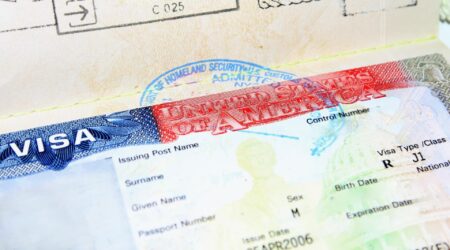
A visa is an electronic or paper document issued by the diplomatic services of the relevant country, authorising the holder to enter and legally stay in that country for a specified purpose and duration indicated on the document.
Some countries have agreements with France that allow entry without a visa for tourism or business purposes for a period of 3 to 6 months, depending on the country and the specific agreements.
It is important to note that a business visa does not permit employment in the host country. The primary authorised activities under a business visa include meetings, conferences, seminars, contract negotiations, and meetings with business partners.
Moreover, a work-type visa does not automatically allow employment in the host country (except in a few cases, e.g., India, USA, South Africa). This visa merely authorises entry for the purpose of completing immigration procedures, and obtaining a work and residence permit is generally mandatory before and/or after arrival.
What is a work permit ?
A work permit is an electronic or paper document issued by the national authorities that allows the holder to work legally in a country for a specific role, duration, and employer.
Most work permits are employer-specific, meaning that both the employer and employee must comply with the obligations tied to the permit. The document should be carefully retained by the employer in case of inspections by the authorities.
In many countries, the immigration process must be fully completed upon arrival (i.e., obtaining both the work and residence permits) before the employee can legally begin work.
What is a residence permit ?
A residence permit (also called a residence card) may take the form of a sticker in a valid passport or a rigid card. Issued by the competent authorities of the relevant country, it allows the holder to reside legally in that country for a defined period. This is the document that should be carried while living abroad.
During its validity, a residence permit also allows the holder to leave and re-enter the country without needing a visa. However, in some countries, the permit may be automatically revoked if the holder remains outside the country for more than six months.
To summarize
For most immigration procedures, to enable your employees to work and reside legally abroad and ensure compliance with employer obligations, the following steps are generally required:
- Work visa
- Work permit
- Residence permit
Article by Jessica Hervier, Outbound Immigration manager at France Immigration


The mobility sector is constantly evolving: subscribe to our newsletter and stay up to date!
- Mandatory formalities to complete
- The administrations responsible for the procedures
- Required documents
- Immigration statuses